Are you curious about what a witch actually is? Maybe you’ve seen people call themselves witches on social media.
Or you’re wondering if that person who grows herbs and reads tarot cards is really a witch.
With all the movies, books, and stereotypes out there, it’s hard to know what’s real and what’s fantasy.
Today, I’m breaking down exactly what a witch is in clear, simple terms. We’ll cover what makes someone a witch, what witches actually do, different types of witches, and how to know if you might be one yourself.
By the end, you’ll understand what being a witch really means in the modern world.
What Is a Witch?
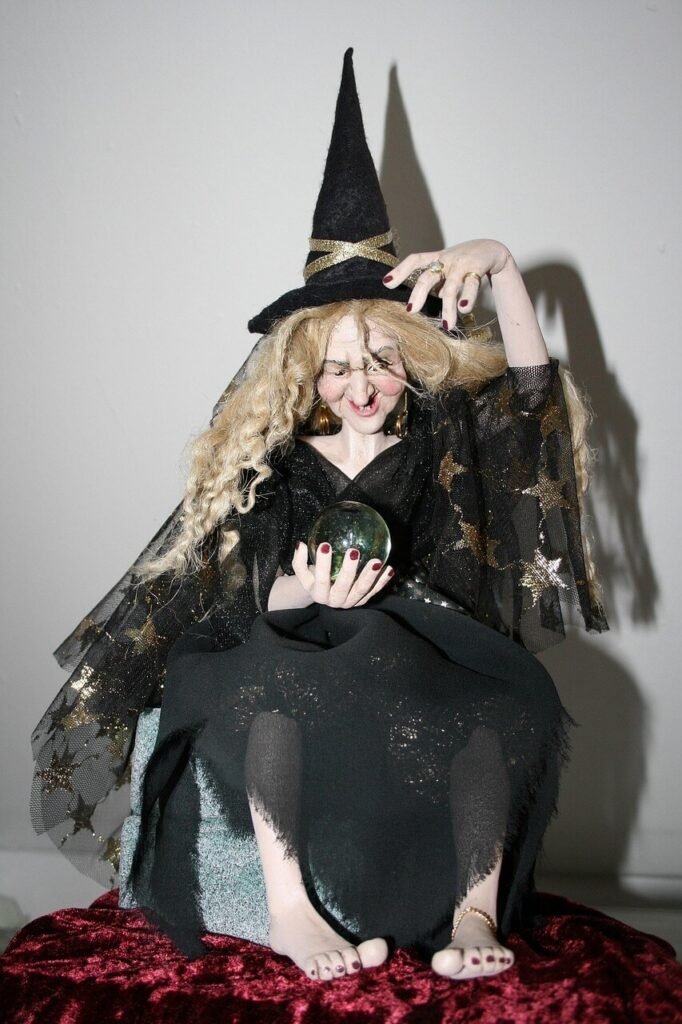
A witch is someone who practices witchcraft—using natural energy, intention, and ritual to create change in their life and the world around them.
Witches work with herbs, crystals, moon phases, spells, and other tools to manifest their goals, heal themselves and others, connect with nature, and tap into spiritual power.
The simple answer to “what is a witch” is this: a witch is a person who consciously works with energy and magic to affect reality. You don’t need special powers or a magic bloodline.
You don’t need to wear black or own a pointy hat. If you practice magic and intentionally work with spiritual forces, you’re a witch.
What Makes Someone a Witch?
You become a witch by choosing to practice witchcraft. It’s that simple. Nobody is born a witch (even if some people are naturally more intuitive or come from witchy families). Being a witch is about what you do, not what you are.
Do you need to be initiated?
Some traditions require initiation ceremonies where experienced witches officially bring you into their group.
Wiccan covens often have initiations with three degrees of training. But most modern witches are self-initiated, meaning they simply decide “I’m a witch” and start practicing.
Do you need training?
Training helps, but it’s not required to call yourself a witch. You can learn from books, online resources, other witches, or just by experimenting and seeing what works.
Many successful witches are completely self-taught. The real teacher is practice and experience.
Can anyone become a witch?
Yes. Any gender, any age (though kids should have parental permission), any religion or lack of religion. You don’t need permission from anyone to practice witchcraft. If you feel called to the craft and you start practicing, you’re a witch.
What Do Witches Actually Believe?
Asking “what is a witch” means understanding what witches believe. While every witch is different, most share some core beliefs that shape their practice.
–Everything is connected through energy
Witches believe that all things, people, plants, stones, thoughts, and emotions, are made of energy. By learning to work with this energy, you can create change. This is the foundation of magic.
–Intention is powerful
Your thoughts and intentions matter. When you focus your will on something and back it up with action, you can make it happen. Witches use spells and rituals to focus their intentions and direct energy toward specific goals.
–Nature holds wisdom and power
The natural world is sacred and full of energy that witches can tap into. The phases of the moon, the changing seasons, plants, stones, and the elements all carry power that can be used in magical work.
–You create your own reality
Witches believe in personal power and responsibility. You’re not a victim of fate; you can shape your life through your choices, actions, and magic. This belief in personal power is central to what a witch is.
–What you send out comes back
Many witches believe in some version of karma or the idea that your actions have consequences. Some follow the Wiccan Threefold Law (what you do returns three times), while others just believe in basic cause and effect.
What Do Witches Actually Do?
Understanding what a witch is means knowing what witches spend their time doing. Here’s what actually happens in a witch’s practice.
Casting spells
Spells are focused rituals where witches set specific intentions and use tools, words, or actions to make them happen. A spell might involve lighting candles, chanting, using herbs, or creating charm bags. Spells can be for protection, love, money, healing, or basically any goal.
Working with the moon
Most witches pay close attention to moon phases. New moons are for setting new intentions and starting projects. Full moons are for manifesting goals and charging magical items with power. Waning moons are for releasing what no longer serves you.
Using magical tools
Witches collect and use various tools in their practice. Crystals for different energies, herbs for spells and teas, candles for focus, tarot cards for divination, athames (ritual knives) for directing energy, and cauldrons for mixing ingredients. These tools help focus intention and energy.
Divination
Reading tarot cards, casting runes, scrying in mirrors or water, using pendulums, or reading tea leaves all fall under divination. Witches use these methods to gain insight into the future, get guidance on decisions, or tap into their intuition.
Celebrating seasonal holidays
Many witches celebrate the Wheel of the Year—eight holidays marking solstices, equinoxes, and cross-quarter days. These celebrations honor the changing seasons and the cycles of nature.
Energy work
Witches practice grounding (connecting to earth energy), shielding (creating protective energy barriers), charging objects with intention, and sensing energy in people and places. This is the behind-the-scenes work that makes magic effective.
Different Types of Witches
What a witch is depends partly on what type of witchcraft they practice. There are many paths within the craft, each with its own focus.
Green witch
Green witch focuses on plants, herbs, and nature. Works with garden magic, makes herbal remedies, and finds power in forests and wild places.
Kitchen witch
Practices magic through cooking and creating a magical home. Every meal is a spell, every recipe is intentional.
Hedge witch
Walks between the physical world and spirit world. Practices astral travel, spirit communication, and works with dreams.
Cosmic witch
Works with astrology, planets, and celestial energy. Times spells by planetary alignments and zodiac signs.
Sea witch
Draws power from the ocean and water. Works with shells, sea water, tides, and ocean deities.
Traditional witch
Follows old folk magic practices passed down through families or regions. Works with ancestors and local spirits.
Eclectic witch
Doesn’t follow one specific tradition. Pulls from different types of witchcraft to create a personal practice. This is the most common type today.
Can a Witch Be Any Religion?
Yes! Being a witch is about practicing magic, not about following a specific religion. Understanding what a witch is means separating witchcraft (a practice) from religion (a belief system).
Wicca
This is a pagan religion that includes witchcraft. Wiccans worship a Goddess and God, follow specific moral guidelines, and celebrate eight seasonal holidays. Many Wiccans call themselves witches, but not all witches are Wiccan.
Christian witches
Some people practice witchcraft while following Christianity. They might use psalms in spells, work with saints, and see their magic as a gift from God. Mainstream Christianity doesn’t accept this, but Christian witches exist.
Atheist witches
You don’t have to believe in any gods to be a witch. Atheist witches see magic as working with natural energy and psychology rather than spiritual forces. Their spells still work through focused intention and action.
Other religious witches
There are Jewish witches, Buddhist witches, Hindu witches, and witches who follow various pagan paths. What a witch is doesn’t depend on religion—it depends on practicing magic.
Are Witches Evil?
No. This is probably the biggest misconception about what a witch is. The idea that witches are evil comes from centuries of propaganda, witch hunts, and scary movies, not from reality.
Witches are just people
Some witches are kind and helpful. Some are jerks. Most are somewhere in between. Being a witch doesn’t make you good or evil any more than being a doctor or teacher does. It’s what you do with your practice that matters.
Most witches help people
The majority of witches use their practice for healing, protection, personal growth, and helping their communities. They do spells for sick friends, create protective charms for family members, and work magic to make the world better.
Some witches do hexes
Yes, some witches cast hexes or curses on people who’ve harmed them or others. This is controversial in the witch community.
Some believe “harm none” and never do negative magic. Others believe in standing up to abusers and using magic for justice. What a witch chooses to do with their power is up to them and their moral code.
The devil isn’t involved
Most witches don’t even believe in the Christian devil, so they can’t worship him. The idea that witches make pacts with Satan was invented during the witch trials to justify killing people. Real witchcraft has nothing to do with devil worship.
Signs You Might Be a Witch
Are you wondering if you’re a witch yourself?
Here are signs that you might be naturally drawn to the craft.
You’re fascinated by magic: If you’ve always been curious about spells, crystals, astrology, tarot, or the supernatural, this interest is often the first sign. Witches are called to the craft—they feel pulled toward magical topics.
You feel connected to nature: Loving the outdoors, collecting rocks and shells, talking to plants, feeling energized by the moon—these are all witchy traits. If nature feels sacred to you, you might be a witch.
You’re intuitive: Having strong gut feelings, knowing things before they happen, sensing energy in rooms or around people, vivid dreams—these intuitive abilities are common in witches.
You’ve accidentally done magic: Have you ever wished really hard for something and it happened in a weird way? Or been angry at someone and they suddenly had bad luck?
This might have been accidental magic, which happens when natural witches don’t know they’re using their power yet.
You collect magical items: Crystals, candles, herbs, oracle cards, moon calendars—if you naturally gravitate toward collecting these things, you’re probably a witch who just hasn’t started practicing officially yet.
You question mainstream religion: Many witches left organized religion because it didn’t fit them. If you’ve always felt like traditional religion missed something or didn’t speak to your spiritual needs, witchcraft might be calling you.
Recommended 15 Signs You’re a Witch (You Might Not Know It Yet)
How to Become a Witch
If you’ve decided you want to be a witch, here’s how to get started on your path. Remember, what a witch is becomes real through practice, not just reading about it.
Declare your intention
Simply decide “I am a witch” and commit to learning the craft. You can do a self-dedication ritual where you light a candle and speak your intention out loud, or you can just quietly commit to yourself. Both work.
Start learning
Read books about witchcraft, watch videos, follow witchy accounts on social media. Learn about moon phases, herbs, crystals, different types of witchcraft, and basic spells. Knowledge builds your foundation.
Practice regularly
Start small with simple spells and rituals. Light a candle with intention. Make moon water. Try a tarot reading. The key is to actually do magic, not just read about it. Practice makes you a real witch.
Keep a Book of Shadows
This is your magical journal where you record spells, experiences, research, and observations. Write down what you try and what happens. This helps you learn what works for you personally.
Trust yourself
There’s no rulebook for witchcraft. If something feels right to you, try it. If a traditional method doesn’t work for you, change it. What a witch is comes from your personal practice, not from following someone else’s rules perfectly.
Connect with other witches
Join online communities, go to local metaphysical shops, find witchy friends. Learning from other witches and sharing experiences helps you grow faster. But remember, every witch’s path is different.
Tools Witches Use
Part of understanding what a witch is involves knowing the tools of the trade. You don’t need all of these to be a witch, but most witches use at least some of them.
Altar: A sacred space where witches keep their magical tools and do spellwork. Can be an entire table or just a small corner of a shelf.
Candles: Used in almost every spell to represent elements, focus intention, and honor deities. Different colors have different magical properties.
Crystals: Stones that carry specific energies. Rose quartz for love, black tourmaline for protection, citrine for abundance, and hundreds more.
Herbs: Used in spells, teas, charm bags, and potions. Rosemary for protection, lavender for peace, cinnamon for money, basil for luck.
Tarot or oracle cards: Used for divination and getting spiritual guidance. Witches use these to tap into their intuition and see possible futures.
Athame: A ritual knife used to direct energy, not for physical cutting. Represents the element of air or fire depending on the tradition.
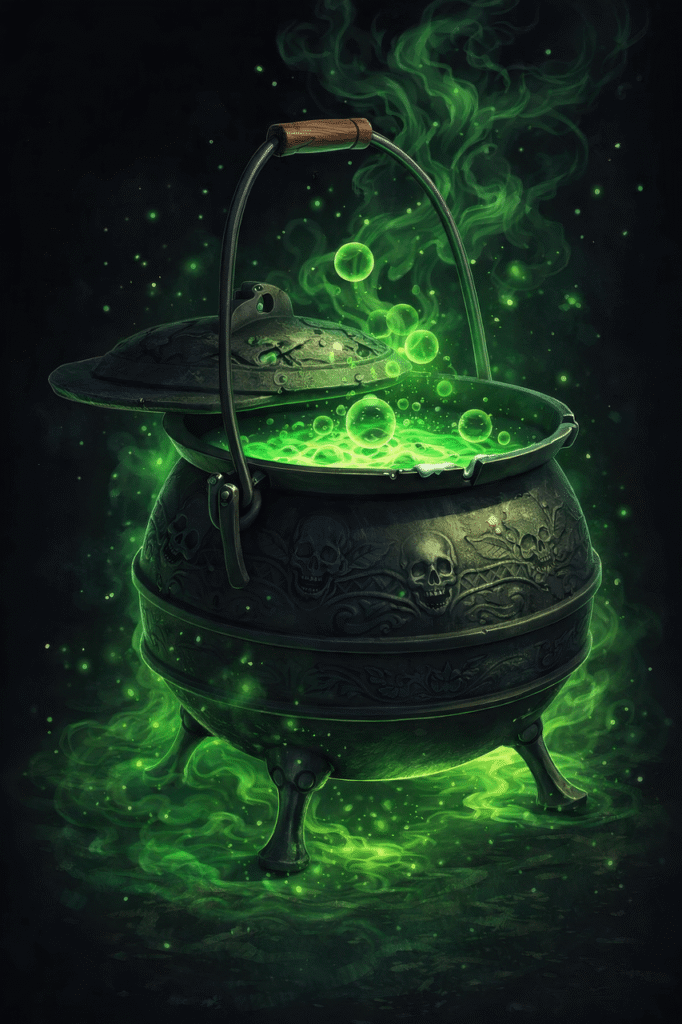
Cauldron: A pot or bowl used for mixing ingredients, burning things, or holding water. Represents transformation and the element of water.
Grimoire or Book of Shadows: Your personal magical book where you record everything about your practice.
What a Witch Is Not
Let’s clear up some myths about what a witch is and isn’t.
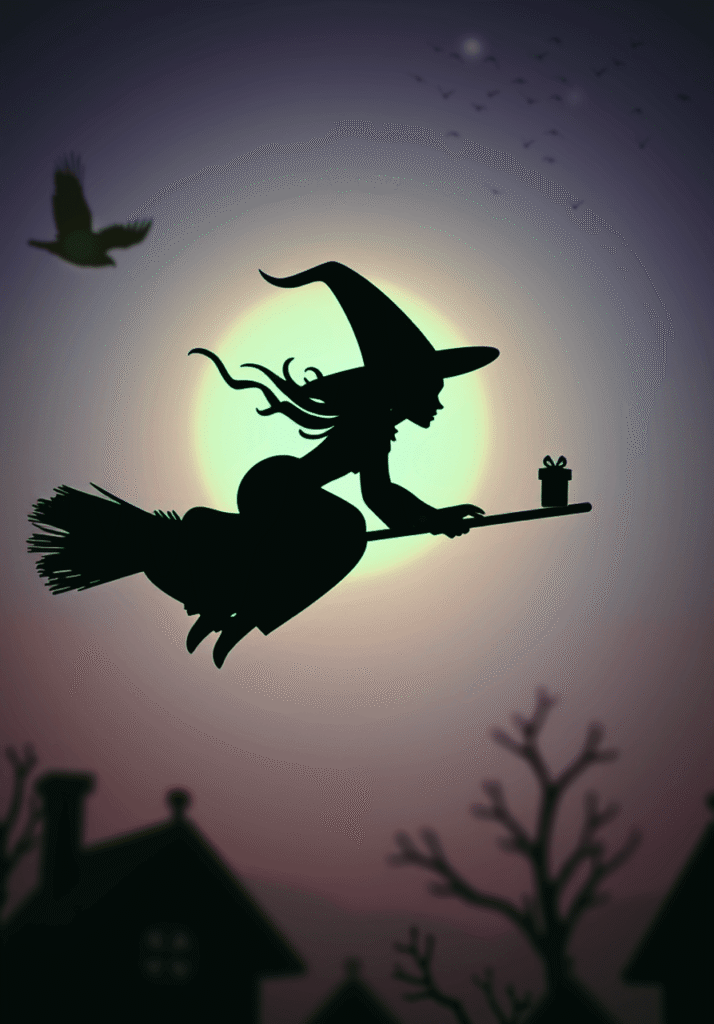
Witches can’t fly on broomsticks: This is pure fantasy, no matter what, just images. Real witches use brooms for sweeping away negative energy from their sacred spaces. The flying thing was made up.
Witches don’t turn people into frogs: Magic works with energy and probability, not by breaking the laws of physics. Witches can’t shapeshift or transform people into animals. That only happens in fairy tales.
You can’t always tell who’s a witch: Witches look like everyone else. Some dress in black and wear pentagrams. Others wear business suits and look totally normal. What a witch is has nothing to do with appearance.
Witches aren’t just women: Men can be witches too. The word “witch” is gender-neutral in modern usage. Some male witches prefer “warlock” or “wizard,” but “witch” works for anyone.
Being psychic isn’t the same as being a witch: Psychic abilities are about perception and intuition. Witchcraft is about actively using magic to create change. Some witches are psychic, but you don’t have to be psychic to be a witch.
Final Thoughts
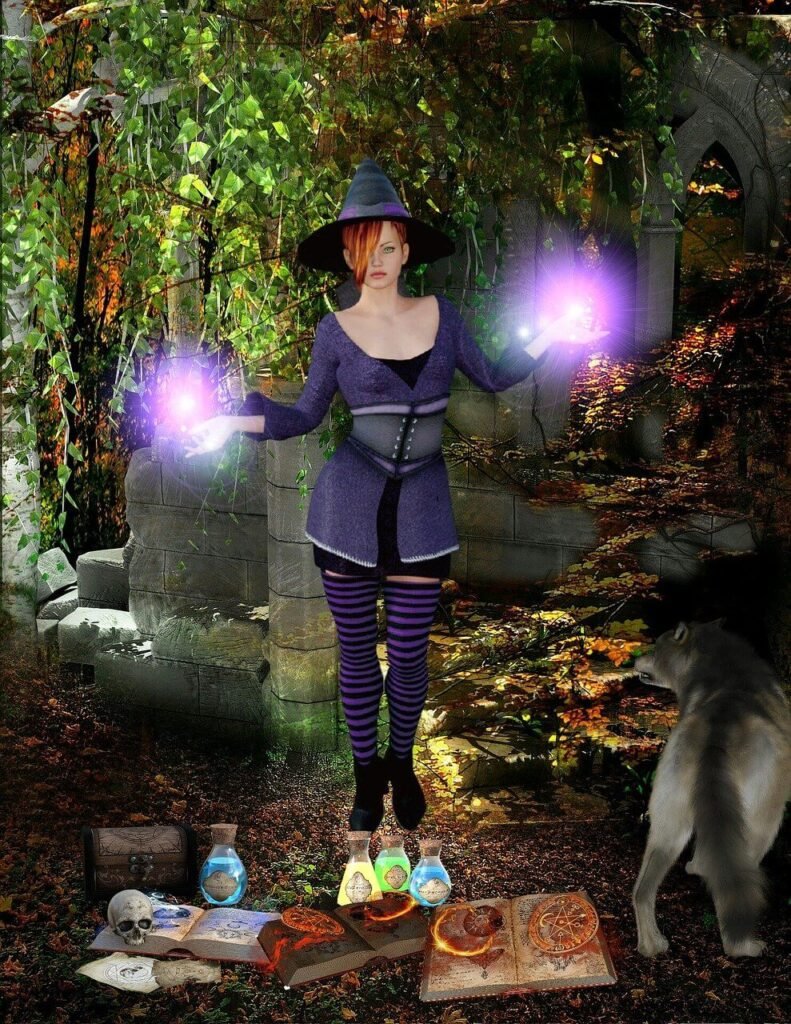
So what is a witch? A witch is someone who works with energy, intention, and natural forces to create change in their life. A witch studies the moon, the seasons, herbs, crystals, and ancient wisdom.
A witch takes responsibility for their own power and uses magic to manifest their goals, protect themselves, heal, and connect with something greater than themselves.
Being a witch isn’t about having supernatural powers or being born special. It’s about choosing to see the magic in the world around you and learning to work with it intentionally. If you feel called to this path, trust that feeling.
Start learning, start practicing, and embrace what you’re becoming. The craft welcomes all who approach it with respect, curiosity, and genuine intention.
What a witch is, ultimately, is someone who decides to walk this magical path, and that decision is entirely yours to make.