Types of Witchcraft: Are you interested in witchcraft but feeling overwhelmed by all the different types out there?
Maybe you’ve heard terms like “green witch” or “kitchen witch” thrown around and wondered what makes them different from each other.
With so many paths to choose from, figuring out which type of witchcraft fits you can feel confusing.
Today, I’m walking you through 10 types of witchcraft that you’ll encounter most often.
Each path has its own focus, tools, and practices, so you can find the one that resonates with your interests and lifestyle.
What Are the Different Types of Witchcraft?
Types of witchcraft are different paths or traditions that witches follow based on their interests, beliefs, and the specific areas of magic they want to focus on.
Think of it like choosing a major in college, you’re all studying magic, but some people focus on herbalism while others dive deep into astrology or spirit work.
Most modern witches don’t stick to just one type. Many practice eclectic witchcraft, which means they pick and choose elements from different types of witchcraft that work for them.
There’s no rulebook saying you can’t be a kitchen witch who also does cosmic magic; your practice is yours to create.
10 Types of Witchcraft Explained
Here are the 10 types of witchcraft that the new witch must understand before choosing one.
1. Green Witchcraft
Green witchcraft is all about plants, herbs, and connecting deeply with nature. Green witches spend their time in gardens, forests, and wild places where they can work directly with plant energy and the earth.
What green witches do:
- Grow their own magical herbs and plants
- Make herbal remedies, teas, and potions
- Work with plant spirits and tree energy
- Collect natural items like flowers, leaves, and roots for spells
- Celebrate the changing seasons and natural cycles
- Use essential oils and create their own incense
Green witchcraft is perfect if you love being outside, have a green thumb, or feel most peaceful when you’re surrounded by nature. You don’t need a big garden to practice—even a few potted herbs on a windowsill works.
2. Kitchen Witchcraft
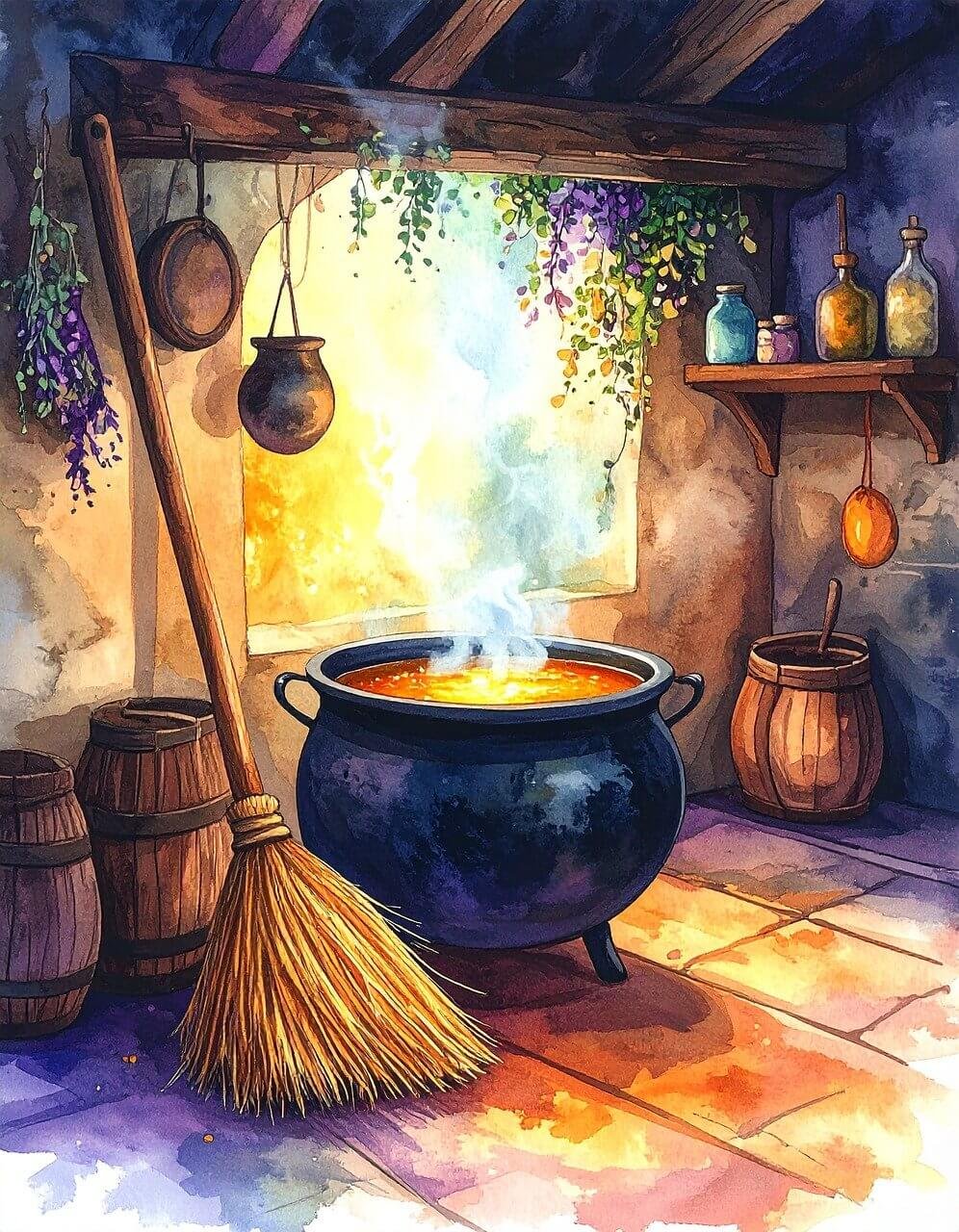
Kitchen witchcraft turns your cooking and home into your magical practice. Kitchen witches believe that the kitchen is the heart of the home and that every meal is an opportunity to practice magic.
What kitchen witches do:
- Stir intentions into their cooking
- Use spices and herbs for their magical properties
- Bless food before serving it
- Create recipes based on magical correspondences
- Clean their home with intention and protective energy
- Make magical brews, soups, and baked goods
Kitchen witchcraft is ideal if you love cooking, baking, or creating a cozy home environment. You’re already in the kitchen anyway—why not make it magical? No special tools needed beyond what’s already in your cupboards.
Recommended post 20 Witchcraft Symbols and Their Meaning
3. Hedge Witchcraft
Hedge witchcraft focuses on walking between worlds, the physical realm and the spiritual realm. The “hedge” refers to the boundary between the village (civilization) and the wild (the spirit world), and hedge witches are the ones who cross that boundary.
What hedge witches do:
- Practice astral travel and spirit journeying
- Work with dreams and lucid dreaming
- Communicate with spirits and ancestors
- Use shamanic techniques like drumming and meditation
- Cross between the living world and the realm of the dead
- Act as intermediaries between worlds
Hedge witchcraft suits you if you’re drawn to deep spiritual work, have vivid dreams, or feel called to communicate with spirits. This is one of the more intense types of witchcraft and often requires serious dedication to develop the skills.
4. Cosmic Witchcraft
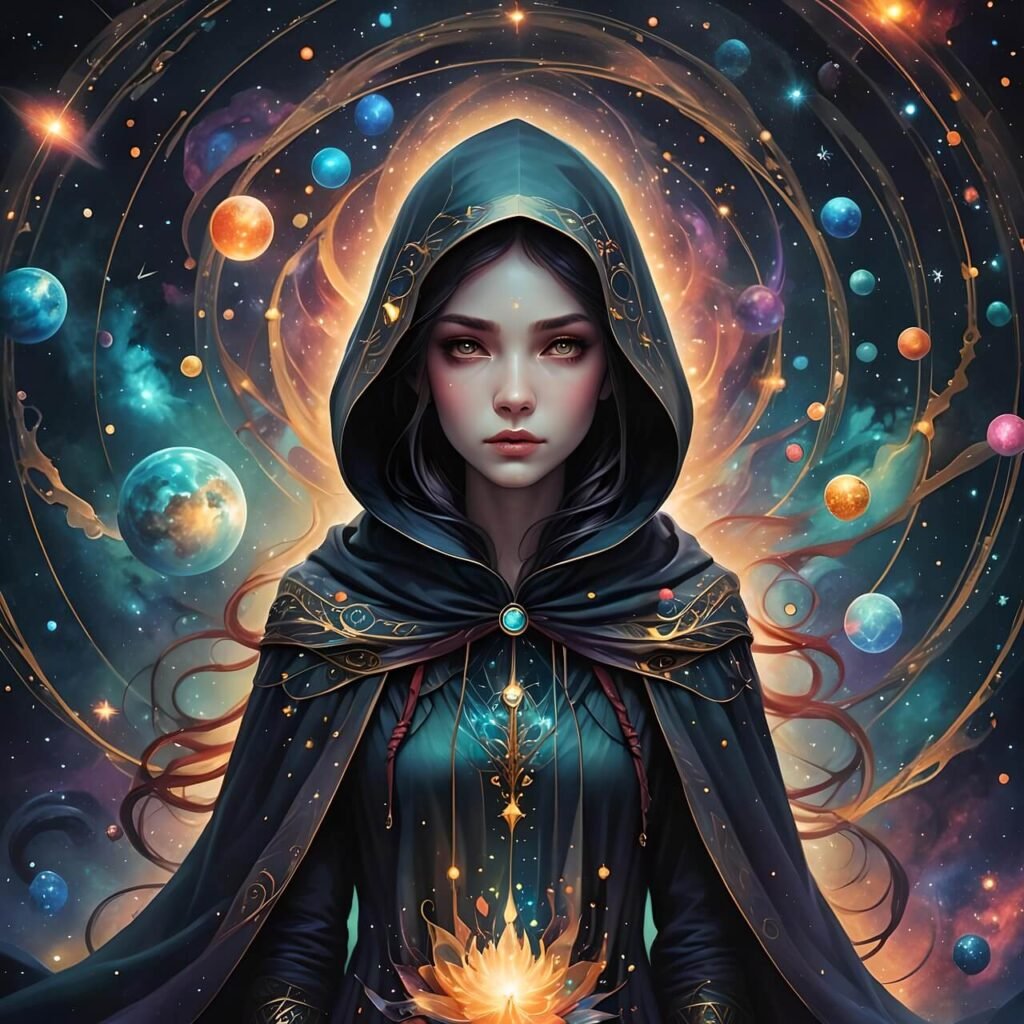
Cosmic witchcraft works with the energy of planets, stars, and celestial bodies. Cosmic witches see themselves as part of the larger universe and tap into cosmic energy for their spells and rituals.
What cosmic witches do:
- Study astrology and birth charts
- Time their spells according to planetary alignments
- Work with zodiac energies
- Use crystals that correspond to planets
- Meditate under the stars
- Track retrogrades, eclipses, and cosmic events
Cosmic witchcraft is perfect if you’re fascinated by astrology, astronomy, or the idea that we’re all made of stardust. You’ll need to learn about planetary movements and astrological correspondences, but the cosmic perspective it gives you is incredible.
5. Traditional Witchcraft
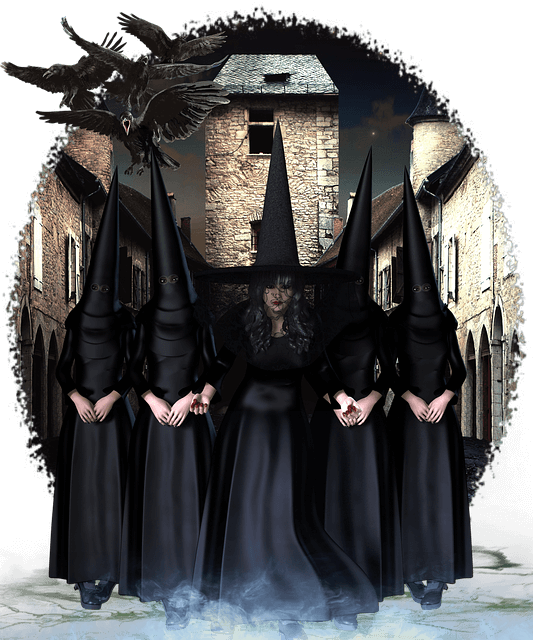
Traditional witchcraft follows old folk magic practices that were passed down through generations, often specific to certain regions or cultures. These practices predate modern Wicca and focus on working with local spirits, ancestors, and the land.
What traditional witches do:
- Honor ancestors and family spirits
- Work with local land spirits and folklore
- Use folk magic techniques from specific cultures
- Practice divination methods like bone reading
- Create charms and talismans using old methods
- Follow seasonal celebrations tied to their region
Traditional witchcraft is right for you if you’re interested in history, want to connect with your ancestral roots, or feel drawn to the old ways. Research your own heritage and the folk magic traditions from those regions.
6. Sea Witchcraft
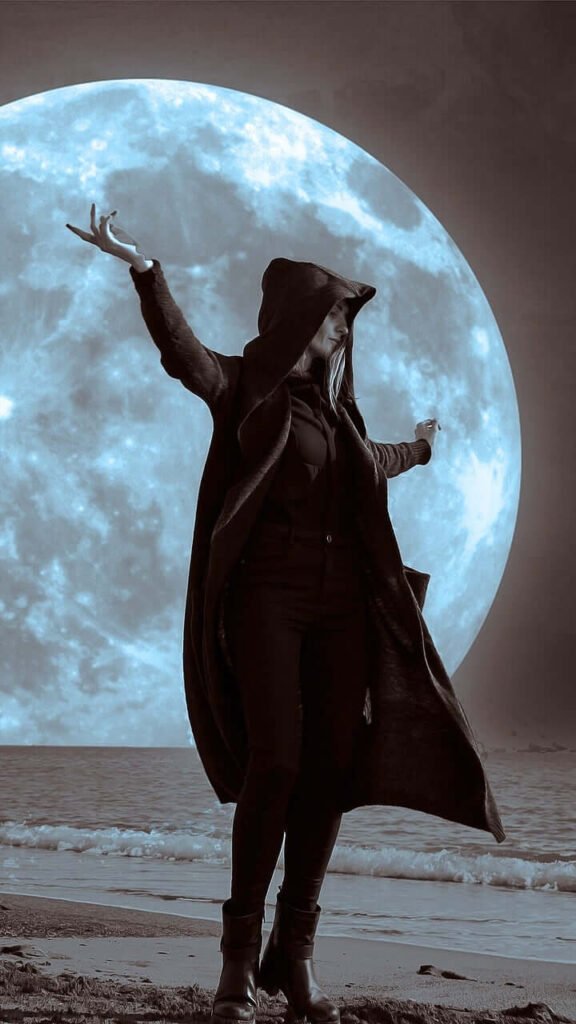
Sea witchcraft centers on the ocean, water, and all things related to the sea. Sea witches draw their power from the ocean’s energy and work with tides, storms, and marine life.
What sea witches do:
- Collect shells, driftwood, and sea glass for spells
- Work with ocean water in rituals
- Time their magic with the tides
- Honor ocean deities and water spirits
- Use sand, salt, and seaweed in their practice
- Feel recharged by being near the ocean
Sea witchcraft calls to you if you live near the coast, feel drawn to the ocean, or find peace near water. Landlocked witches can still practice sea magic by working with salt water, shells they’ve collected, and ocean imagery.

7. Elemental Witchcraft
Elemental witchcraft focuses specifically on the four classical elements: earth, air, fire, and water. Elemental witches study each element deeply and learn to work with their different energies and properties.
What elemental witches do:
- Balance the four elements in their practice
- Call upon specific elements for different spells
- Create elemental altars or workspaces
- Study elemental correspondences and spirits
- Work with elementals (nature spirits associated with each element)
- Use elemental tools like stones (earth), incense (air), candles (fire), and water
Elemental witchcraft suits you if you’re drawn to the idea of everything being made up of these four basic building blocks. You’ll learn which element you’re strongest in and how to balance them all in your magical work.
8. Ceremonial Witchcraft
Ceremonial witchcraft (also called ceremonial magic) is a highly structured and ritualistic type of witchcraft. It draws from grimoires, Western occult traditions, and often involves complex rituals with specific words, gestures, and tools.
What ceremonial witches do:
- Perform elaborate rituals with precise timing
- Use specific magical tools like wands, swords, and robes
- Work with angels, demons, or other spiritual entities
- Study sacred geometry and magical alphabets
- Follow grimoires and ancient magical texts
- Practice ceremonial invocations and evocations
Ceremonial witchcraft is for you if you like structure, enjoy studying complex systems, and don’t mind following detailed instructions. It’s more formal than most types of witchcraft and requires dedication to learning the traditional methods.
9. Eclectic Witchcraft
Eclectic witchcraft doesn’t follow one specific tradition—instead, eclectic witches create their own practice by pulling from different types of witchcraft that resonate with them. This is actually the most popular type of witchcraft today.
What eclectic witches do:
- Mix practices from different witchcraft traditions
- Create personalized rituals and spells
- Use whatever tools and methods work for them
- Don’t follow strict rules or traditions
- Adapt their practice as they grow and learn
- Trust their intuition over dogma
Eclectic witchcraft is perfect if you don’t want to be boxed into one tradition, like experimenting, or want the freedom to practice however feels right to you. Most beginners start here because it allows you to explore different paths before committing to one.
10. Wicca
Wicca is a modern pagan religion that includes witchcraft practices. While Wicca is technically a religion rather than just a type of witchcraft, many people use the terms interchangeably. Wiccans follow specific beliefs and practices established in the mid-1900s.
What Wiccans do:
- Worship a God and Goddess (or multiple deities)
- Follow the Wiccan Rede: “An it harm none, do what ye will”
- Celebrate eight sabbats (seasonal holidays)
- Observe full moon rituals (esbats)
- Cast circles before magical work
- Often work in covens (groups) with degrees of initiation
Wicca is right for you if you want a structured religious framework for your witchcraft practice, enjoy group work, or feel drawn to honoring deity. Not all witches are Wiccan, but Wicca is one of the most organized and accessible types of witchcraft.
How to Choose Your Type of Witchcraft
Choosing between types of witchcraft doesn’t have to be complicated. Start by thinking about what already interests you in your everyday life.
Ask yourself these questions:
- What am I naturally drawn to? (plants, stars, cooking, spirits, the ocean)
- Where do I feel most powerful? (in nature, at home, under the night sky)
- What topics do I already love learning about? (astrology, herbalism, history)
- How much structure do I want? (loose and intuitive vs. organized and traditional)
- Do I want to work with deity? (some types emphasize this, others don’t)
Your interests outside of witchcraft often point you toward the right type of witchcraft. If you love gardening, green witchcraft makes sense. If you’re a foodie, kitchen witchcraft is calling. If you’re obsessed with astrology, cosmic witchcraft is your path.
Can You Practice More Than One Type?
Absolutely! Most witches practice more than one type of witchcraft. You might be primarily a green witch who also does kitchen magic and follows the moon like a cosmic witch. There’s no rule saying you have to pick just one.
Types of witchcraft are meant to help you focus your practice and find community with like-minded witches. They’re descriptive labels, not restrictive boxes. Your practice will naturally evolve as you discover what works for you and what doesn’t.
Final Thoughts
Now you know the 10 main types of witchcraft and what makes each one unique.
Whether you’re drawn to the plants of green witchcraft, the cooking magic of kitchen witchcraft, the stars of cosmic witchcraft, or the freedom of eclectic witchcraft, there’s a path that fits your personality and interests.
Remember that these types of witchcraft aren’t exclusive clubs; they’re just different ways of focusing your magical practice.
Start with what calls to you, experiment with different approaches, and create a practice that feels authentic to who you are.
The best type of witchcraft is the one you’ll actually practice regularly and that brings real magic into your life.